
Why Are More Young Adults Having Strokes?
Iswarya Medical Team
ISWARYA HOSPITAL · Iswarya Hospital
Strokes are rising in India’s young adults due to lifestyle changes and hidden risk factors. Learn symptoms, prevention, and how Iswarya Hospital’s neurology experts can help.
When Young Lives Change in One Stroke: Understanding and Preventing Stroke in Young Adults
Strokes are no longer just a disease of the elderly today, more young adults in their 30s and 40s are experiencing strokes, often driven by lifestyle changes, chronic stress, and undiagnosed medical conditions. At Iswarya Hospital, our advanced neurology and stroke care teams want families and young professionals to understand the risks and prevention strategies.
Young Adults at Risk: Why Are Strokes Increasing?
Across India, hospitals now see more stroke cases among younger people. Doctors point to several modern risk factors:
Poor diet and obesity
Sedentary jobs and lack of exercise
Excessive alcohol, tobacco, and drug use
Higher rates of hypertension, cholesterol, diabetes, and undiagnosed chronic conditions
Infections and autoimmune diseases adding to risk
The symptoms can be subtle: sudden personality changes, persistent fatigue or irritability, hiccups, numbness, or even speech or coordination problems. These are often mistaken for stress but could signal a stroke. Early recognition and quick action are vital.
The Asian Stroke Pattern: How Is It Different?
As highlighted by Dr. Pradeep Balaji, Neurosurgeon at Iswarya Hospital, “The pattern of stroke in Asia differs from the West.” In Asia, up to 50% of strokes are due to blockages inside the brain’s arteries (intracranial atherosclerotic disease), compared to just 10% in Western countries. Western regions see more strokes from blockages in the arteries leading to the brain or from heart-origin clots (cardioembolic strokes).
Iswarya Hospital is at the front line of managing these challenging stroke cases, with expertise in advanced imaging, angioplasty, stenting, and tailored rehabilitation for young adults.
Read more at:
Early Warning Signs and Prevention
Our neurology team reminds everyone to watch for BEFAST warning signs:
Balance changes
Eye or vision issues
Facial drooping
Arm weakness
Speech difficulty
Time to act quickly
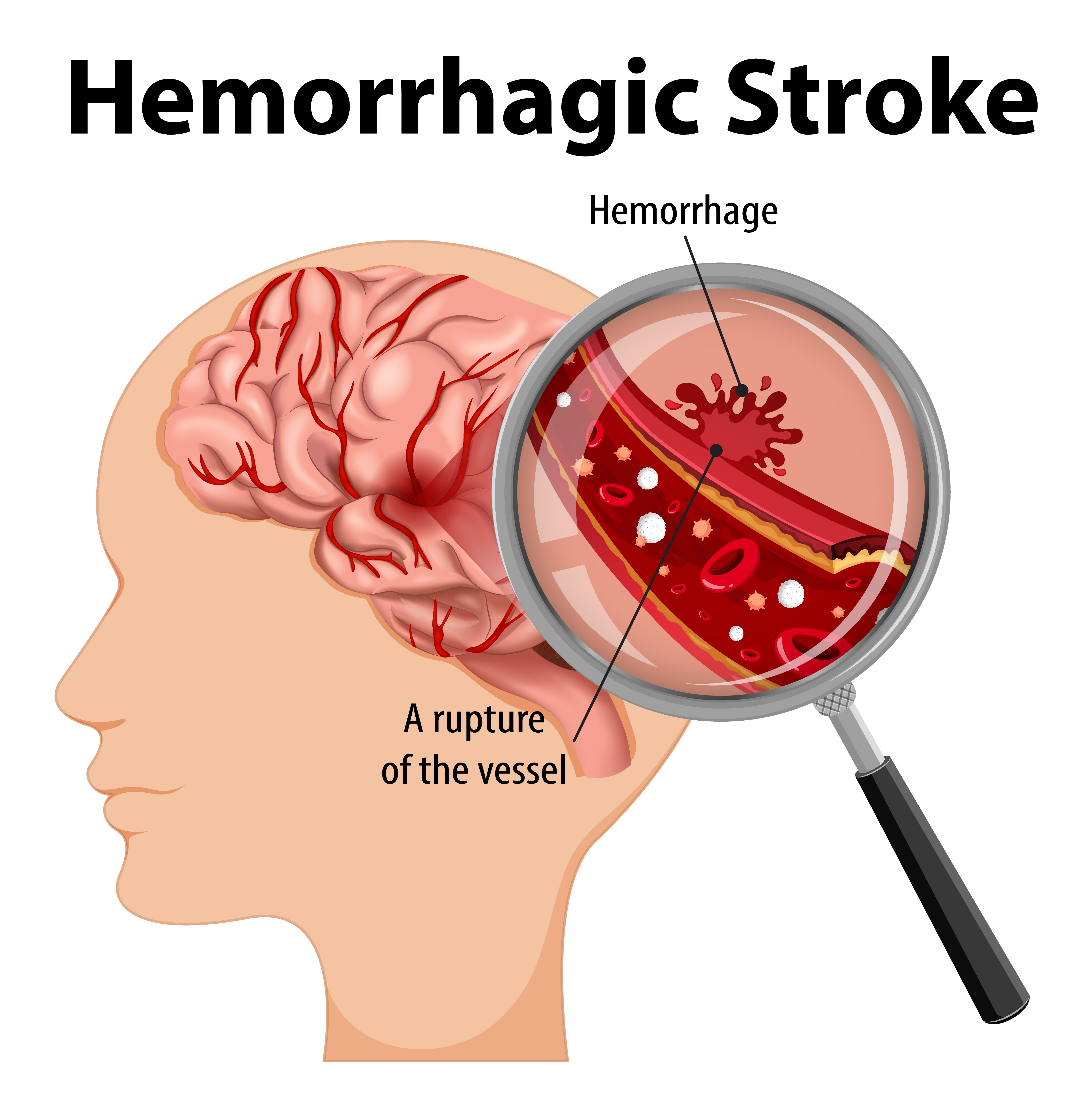
But stroke prevention goes further: BeSMART!
Know your risk factors and family history
Manage high blood pressure, cholesterol, and blood sugar
Make healthier lifestyle choices (diet, activity, sleep)
Visit a neurologist early for new symptoms or personal risk assessment
Engage in regular checkups and preventive strategies
Iswarya Hospital: Expert Care for Stroke and Neurology
With 24/7 emergency stroke services and multidisciplinary specialists, Iswarya Hospital is equipped to help young stroke victims recover and rehabilitate. We offer advanced diagnostic imaging (AI-powered CT/MRI), interventional procedures, and comprehensive post-stroke care.
If you or a loved one notice new symptoms, sudden changes in mood, ability to speak, see, or coordinate seek help immediately. Early intervention can save lives and limit long-term disability.
For more information on stroke care, visit https://iswarya.com/ or contact Iswarya Hospital’s stroke and neurology experts for a consultation.
FAQs
1. What are the early signs of stroke in young adults?
Symptoms may include sudden irritability, fatigue, persistent hiccups, difficulty with speech or vision, numbness, or loss of balance. Subtle changes in mood or mental function can also be warning signs.
2. Why are strokes increasing among younger people in India?
Rise in lifestyle diseases (such as obesity, high blood pressure, high cholesterol), more sedentary work, poor diet, substance use, and stress are major contributors.
3. How do stroke patterns differ in India compared to the West?
In India and Asia, blockages within brain arteries (intracranial atherosclerosis) are a leading cause, while the West more often sees blockages in arteries leading to the brain or arising from the heart.
4. What can I do to prevent a stroke?
Follow the BeSMART strategy: control blood pressure, diabetes, and cholesterol; exercise regularly; eat healthy; avoid smoking and excess alcohol; and see a doctor early if you have symptoms or family risk.
5. How does Iswarya Hospital help stroke patients?
Iswarya Hospital offers 24/7 specialized stroke units, advanced imaging, minimally invasive treatments, and rehabilitation supported by experienced neurologists and neurosurgeons.
Tags:
Consult Our Neurology & Neurosurgery Specialists
Book an appointment with our expert team at Iswarya Hospital, OMR Chennai.